Alligator Font: A Versatile Script for Modern Web Design
Choosing the right typeface is one of the most impactful decisions in web design. It sets the tone, guides user behavior, and reinforces brand identity. Alligator, a handwritten script font from Script Amp, brings a unique blend of friendliness and elegance to digital projects. With its soft curves, natural swashes, and thoughtful ligatures, this font is ideal for designers who want to inject warmth into their layouts without compromising readability or professionalism.
Visual Characteristics and Personality
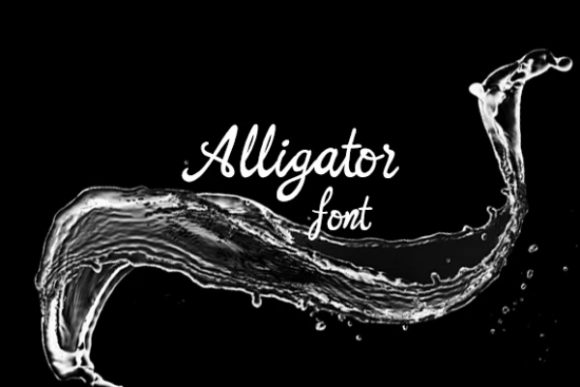
Alligator stands out with its clean, modern strokes and subtle variations that mimic authentic handwriting. Unlike overly stylized scripts that can feel inaccessible or hard to read, Alligator balances charm with clarity. Its generous x-height and open letterforms help maintain legibility even at smaller sizes—though it truly shines when used as a display font. The included alternates and swash styles give you more creative control, allowing you to tailor the look for different use cases.
This font has a personality that’s both inviting and confident. It works well for brands that want to appear approachable yet polished, such as lifestyle blogs, wellness platforms, or creative agencies. Its casual yet refined appearance makes it perfect for environments where trust and creativity need to coexist harmoniously.
Use Cases Across Digital Platforms
Alligator is incredibly flexible and can be adapted across various parts of your website or app. Here are some of the best places to leverage its style:
- Hero Sections: Use Alligator for bold, expressive headlines in hero banners. Its dynamic shapes make it great for catching attention while maintaining a professional edge.
- Landing Pages: In conversion-focused areas like product titles or value propositions, Alligator adds a human touch that helps build emotional connection with users.
- Banners and Promos: For online stores or promotional campaigns, this font elevates visual appeal without overwhelming the message. Pair it with minimalist sans serif fonts to keep the focus on key selling points.
- Blog Headers: When designing blog templates or editorial-style websites, Alligator can serve as a header font to add a personal flair to article titles.
- Portfolio Sites: Creative professionals often use Alligator to highlight their names or project titles, giving their work an artistic yet credible presentation.
- Branded Content: From social media graphics to email headers, Alligator supports consistent brand messaging by adding a signature script style that aligns with your overall aesthetic.
When to Avoid Alligator
While Alligator is versatile, it's not suited for body text. Handwritten scripts generally lack the uniformity needed for long-form reading. Instead, save it for display purposes—such as logos, section headings, or short call-to-action phrases—where it can shine without hindering usability.
Readability and Responsive Design
One of the biggest challenges with script fonts is ensuring they remain readable across devices. Alligator handles this well due to its moderate stroke contrast and clear letter spacing. However, it's still important to test how it appears on mobile screens and small buttons. For responsive designs, consider using lighter weights for smaller screens or limiting the number of characters per line to avoid cluttering the layout.
When using Alligator over images or dark backgrounds, adjust the color contrast carefully. While it looks stunning on light tones, dark mode compatibility requires thoughtful styling to ensure legibility. Using a semi-transparent background or adding a subtle shadow can help letters stand out without losing their soft character.
Font Pairing Strategies
Pairing Alligator with other fonts enhances its effectiveness. Since it’s a decorative display script, balance it with a neutral, clean sans serif or serif font for body copy. For example:
- Sans Serif Body + Alligator Headline: Ideal for tech startups or SaaS landing pages. This combination feels modern and trustworthy.
- Classic Serif Body + Alligator Accent: Great for editorial sites or luxury branding. Adds a touch of creativity while keeping the core content grounded.
Avoid pairing it with other highly stylized scripts unless you’re going for a layered or thematic design. Always prioritize hierarchy—let Alligator guide the eye but don’t let it compete with essential information.
Brand Identity and User Engagement
In today’s crowded digital space, brand differentiation is crucial. Alligator can help shape a brand’s tone by introducing a sense of authenticity and care. It’s especially effective for niche markets like handmade goods, coaching services, or boutique fashion retailers. The font conveys craftsmanship and individuality, which can resonate strongly with target audiences.
Using Alligator consistently across your brand assets—from website headers to social media posts—creates a cohesive visual identity. Users begin to associate the font with your brand’s values, making your digital presence more memorable and engaging.
Practical Examples in Action
Imagine a coaching website that uses Alligator for the hero title “Empower Your Journey.” The warm, flowing script invites users to connect emotionally with the brand, setting the stage for a persuasive sales funnel. Or picture a product landing page for a new skincare line, where Alligator highlights key benefits in a CTA like “Glow Naturally.” These applications show how the font can support storytelling and conversions.
On a portfolio site, Alligator could be used for the artist’s name or project titles. Let’s say a designer showcases their latest logo work under a headline styled in Alligator: “Creative Typography in Motion.” This adds personality to the page and reflects the designer’s expertise in modern typography.
Technical Considerations
Alligator comes in multiple weights and styles, offering enough variation to suit diverse needs. Check whether the font includes multilingual support if you're targeting international audiences. File formats like .OTF and .TTF ensure broad compatibility, and if available, webfont versions (WOFF, WOFF2) are essential for performance optimization.
Also, review the included alternates and ligatures. These extras allow for customization in logo design or decorative elements without sacrificing consistency. They can be particularly useful in creating unique brand assets or custom illustrations where the font plays a role beyond just text.
Commercial Licensing and Best Practices
Before deploying Alligator in client projects or commercial websites, confirm that the licensing terms allow for web embedding, server usage, and redistribution if needed. Many premium fonts require specific licenses for each use case—especially when applied to online stores, digital templates, or brand kits.
As a responsible designer, always respect font licensing agreements. If you’re building a course sales page or a branded template for a client, ensure you have the proper rights to use Alligator in those contexts. Some font foundries offer extended licenses for digital products, so be sure to clarify these before finalizing your design assets.
For digital ads or micro-interactions, like button hover states or pop-up messages, Alligator can be used sparingly to reinforce brand voice. But remember, less is more—overuse of any decorative typeface can dilute its impact and reduce usability.
Why Choose Alligator for Your Next Project?
Web designers and UI creators often seek a font that bridges the gap between formality and fun. Alligator does exactly that with its friendly yet sophisticated script. Whether you’re crafting a boutique online store or a high-converting landing page, this font supports a wide range of applications without feeling gimmicky or outdated.
Its ability to adapt to both editorial and commercial settings makes it a valuable addition to any designer’s toolkit. You’ll find yourself reaching for it in situations where a standard sans serif feels too sterile, but a more elaborate script might not be practical.
If you're looking for a handwritten font that doesn’t sacrifice clarity or versatility, Alligator is a strong contender. It’s a modern script that brings life to digital experiences, helping you create layouts that feel both stylish and sincere.
Final Notes on Usability
Remember that typography is about communication. Even the most beautiful font must serve the purpose of guiding users through your content. Use Alligator to highlight key messages, draw attention to important sections, or personalize your brand’s visual language. Just be mindful of context—dark vs. light backgrounds, screen sizes, and the surrounding design elements all influence how effectively the font performs.
By integrating Alligator thoughtfully into your next project, you'll enhance not only the aesthetics but also the emotional resonance of your design. It's more than just a pretty script; it's a tool for shaping perception, improving engagement, and building lasting brand connections in the digital world.