Marsella: A Handwritten Typeface for Modern Web Design
As a web designer, I’m always on the lookout for fonts that balance beauty with functionality. Marsella stands out as a premium handwritten typeface that brings elegance and warmth to digital projects without sacrificing readability or usability. Its organic flow and refined structure make it a powerful tool in crafting engaging online experiences—especially when used thoughtfully in key design elements.
Elegance Meets Usability in Script Fonts
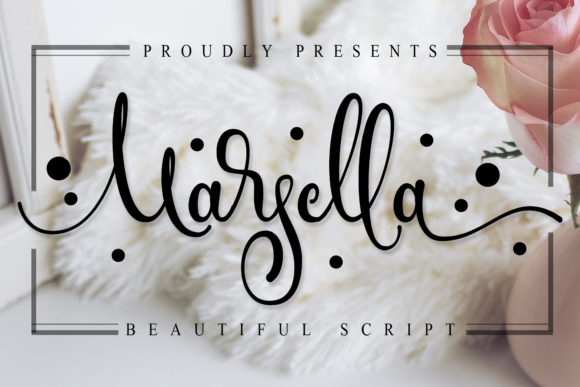
Marsella is more than just a script font—it’s a carefully crafted handwritten typeface designed to enhance visual storytelling. With its fluid strokes and decorative swashes, it exudes personality while maintaining enough clarity to perform well in digital environments. Unlike overly stylized scripts that can become illegible at smaller sizes, Marsella strikes a balance between artistry and legibility, making it suitable for headers, brand names, and even short call-to-action phrases.
The inclusion of ligatures adds a professional polish, ensuring that repeated characters like “th” or “fi” don’t feel awkward or forced. This subtle attention to detail elevates the overall quality of the typography and makes it feel intentional rather than random—a must-have when building a cohesive brand identity.
Where to Use Marsella in Digital Layouts
- Hero Sections: Marsella shines in large display settings such as website hero banners. Its graceful curves and dramatic flourishes make it ideal for headlines that need to grab attention quickly.
- Landing Pages: When designing high-conversion landing pages, using Marsella for titles and subheadings helps create a warm, approachable tone—perfect for lifestyle brands, creative services, or personal websites.
- Brand Names and Logos: The handwritten nature of Marsella gives it a human touch, which works well for branding purposes. It can help communicate authenticity and creativity, especially for small businesses or boutique shops.
- Banners and Promotions: In e-commerce or product launch contexts, Marsella adds a sense of exclusivity and luxury. It’s particularly effective for seasonal sales, limited-edition collections, or promotional headers.
- Portfolio Sites: For designers showcasing their work, Marsella can be a great choice for section headings or project titles. It conveys professionalism with a personal flair, aligning well with creative industries.
- Social Media Graphics: The font's versatility also extends to social media assets. Whether you’re designing Instagram posts, Facebook banners, or Pinterest pins, Marsella can add a distinctive visual element that reinforces your brand’s voice.
Visual Hierarchy and Scanning Behavior
One of the most overlooked aspects of typography is how it affects scanning behavior. While script fonts like Marsella are often seen as decorative, they can still play a crucial role in guiding the user’s eye through a layout. Used sparingly and with contrast, Marsella can draw attention to important content like featured products, testimonials, or key selling points.
When applied correctly, it supports visual hierarchy by creating a clear distinction between body text and headline copy. Pairing it with a clean sans serif or serif font ensures that users can easily navigate from an elegant title into digestible content. This combination helps maintain rhythm across the page and prevents visual fatigue.
Designing for Mobile and Responsive Layouts
In today’s mobile-first world, every font needs to adapt gracefully across screen sizes. Marsella performs well on larger screens but requires careful scaling on mobile devices. To ensure optimal readability, use it only for larger text elements such as headers, logos, or short taglines. Avoid using it for body copy or tiny buttons where legibility could suffer.
For image overlays and dark backgrounds, consider adjusting the opacity or stroke weight slightly to improve contrast. While Marsella has a natural aesthetic, these tweaks can help it stand out more clearly without compromising its character.
Font Pairing Tips for Marsella
Choosing the right companion font is essential when working with a decorative typeface like Marsella. Here are a few practical pairing suggestions based on different design goals:
- Modern Minimalism: Pair Marsella with a sleek sans serif like Montserrat or Lato. This contrast highlights the creativity of the script while keeping the rest of the layout clean and functional.
- Editorial Elegance: For blogs or magazines aiming for a sophisticated look, combine Marsella with a traditional serif like Merriweather or Playfair Display. This creates a timeless feel while maintaining typographic harmony.
- Branded Identity: If your goal is to build a strong brand presence, pair Marsella with a neutral base font such as Open Sans or Roboto. These combinations support a consistent yet expressive digital identity.
Always test your pairings at different sizes and in real-world layouts to see how they interact visually. The goal is to let Marsella shine where needed while ensuring the supporting text remains easy to read and scan.
Commercial Use and Licensing
If you're planning to use Marsella in client projects, online stores, or digital templates, it’s important to verify licensing terms. Script Amp likely offers commercial usage options, but as a responsible designer, you should confirm whether the license includes webfont formats (like WOFF or TTF), app integration, or extended use for marketing materials. Proper licensing not only protects your clients but also ensures you stay compliant with font usage guidelines.
Additionally, check if Marsella includes multilingual support or alternates. These features are invaluable when designing for international audiences or adding stylistic variations to logos and branding assets.
Real-World Applications of Marsella
Let’s look at a few practical scenarios where Marsella could elevate your design work:
- Creative Portfolio Site: Use Marsella for your name and section headings to give your site a personal, artistic vibe. Combine it with a minimalist sans serif for project descriptions and navigation menus.
- Boutique Online Store: Apply Marsella to hero headers and product tags for a handcrafted feel. It can also be used subtly in logo text or promotional banners to reinforce a unique brand voice.
- Coaching or Wellness Website: Marsella’s soft, flowing style aligns well with holistic or self-improvement brands. Use it for mission statements, quote sections, or service headers to evoke trust and approachability.
- Course Sales Page: Highlight course titles or instructor names with Marsella to add warmth and credibility. It can also serve as a signature font for downloadable content or email newsletters.
- Blog Headers and Titles: Make your blog stand out with Marsella as a header font. It adds a layer of sophistication that encourages readers to engage further with your content.
Building a Consistent Brand Identity
Consistency is key in brand-focused web experiences. Marsella can be a core part of your brand kit when used strategically. Think of it as the emotional component of your typography system—where a more structured font handles communication, Marsella adds character and personality.
To maintain consistency, define how and where you’ll use Marsella in your brand guidelines. Will it appear in all hero sections? Only in certain themed campaigns? How will it scale across platforms? Answering these questions early helps avoid visual inconsistency and ensures your brand feels unified across digital touchpoints.
Why Choose Marsella Over Other Script Fonts?
There are countless script and handwritten fonts available, but Marsella distinguishes itself with its balance of form and function. It doesn’t lean too heavily into cursive complexity, nor does it lose its charm when simplified. This makes it adaptable to various design styles—from modern minimalism to vintage-inspired aesthetics.
Its ligature-rich design enhances the visual appeal of repeated phrases, which is especially useful for slogans or recurring calls to action. And because it’s part of the Script Amp collection, you can expect it to meet industry standards for performance and quality—something not all free or amateur fonts achieve.
When compared to other display fonts, Marsella holds up well in both print and digital formats. It’s a premium font that reflects professionalism while retaining the warmth of handwriting. That dual capability is rare and highly valuable in today’s design landscape.
Final Notes on Typography Best Practices
While Marsella is a beautiful and versatile typeface, it’s not a one-size-fits-all solution. Use it intentionally and sparingly to avoid overwhelming the reader. Let it breathe by giving it ample white space and contrasting it against solid background colors or textures.
Also, remember that font choices influence brand perception. Marsella leans toward elegance and creativity, so it’s best suited for brands that want to convey a sense of artistry, trust, or innovation. If your audience prefers a more formal or corporate tone, it may be better reserved for accents rather than primary typography.
Ultimately, the success of any font—including Marsella—depends on how well it integrates into the overall design system. Test it across multiple devices, pair it with complementary fonts, and use it to highlight the most meaningful parts of your layout. Done right, it becomes more than just a font—it becomes part of your brand’s story.